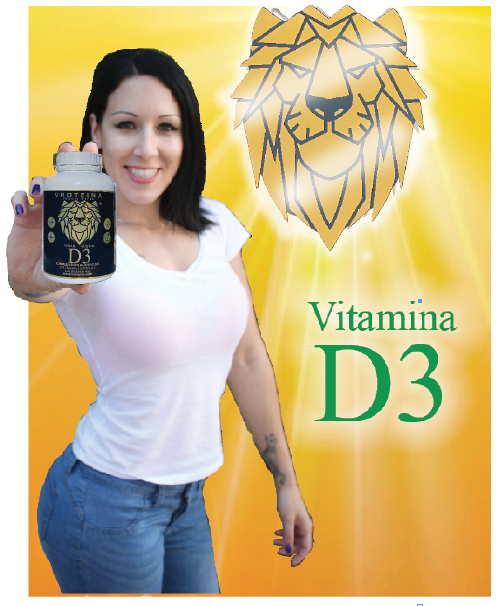
Vitamin D and sunshine
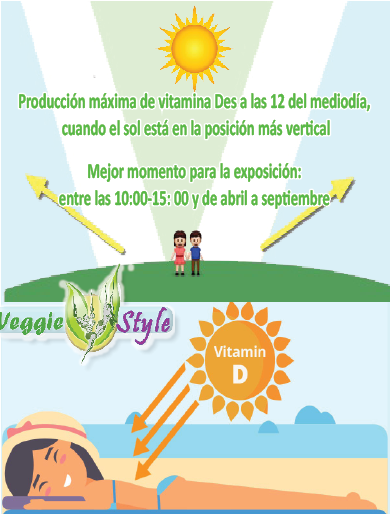
This vitamin can be synthesised by our skin when exposed to the sun, but because in Europe the sun is not as intense and limited by the cloudy weather and lack of intensity during the winter and autumn months, many of us suffer from the consequences of lack of this vitamin
Vitamin D in food
Through plant foods, it is difficult to obtain the necessary amounts of vitamin D, as the vitamin is hardly found in plants. For example avocado which contains: 6 μg per 100 g ... a non-significant amount as well as mushrooms which contain very little.
Health effects of Vitamin D3
- Vitamin D contributes to the normal absorption and utilisation of calcium and phosphorus.
- Vitamin D contributes to the maintenance of normal blood calcium levels.
- Vitamin D contributes to the maintenance of normal bones.
- Vitamin D contributes to normal muscle function.
- Vitamin D contributes to the maintenance of normal teeth.
- Vitamin D contributes to the normal functioning of the immune system.
- Vitamin D contributes to the process of cell division.
2 ways to take vitamin D
There are only 2 ways to get enough vital vitamin D:
1) sunbathe for at least 20 minutes between 11:00 a.m. and 15:00 p.m.
2) There are few foods that provide Vitamin D3 - the ideal is therefore to use a food supplement containing Vitamin D3. Avocados contain very little D3; it is therefore recommended to take a Vitamin D supplement whenever you are unable to sunbathe.
1) sunbathe for at least 20 minutes between 11:00 a.m. and 15:00 p.m.
2) There are few foods that provide Vitamin D3 - the ideal is therefore to use a food supplement containing Vitamin D3. Avocados contain very little D3; it is therefore recommended to take a Vitamin D supplement whenever you are unable to sunbathe.
Sun cream?
Please note that as long as you use sunscreen and sun creams when sunbathing, your body will not be able to produce vitamin D as it will block UVB rays penetrating the skin.
Sunbathing for D3 depends on the timetable
In order for our skin to produce vitamin D, it needs exposure to the sun's UVB rays. Unfortunately, we can only have them when we sunbathe around midday, when the sun is at its highest point. In Europe, basically, this occurs between April and September and from 11 a.m. to 4 p.m.
Location matters!
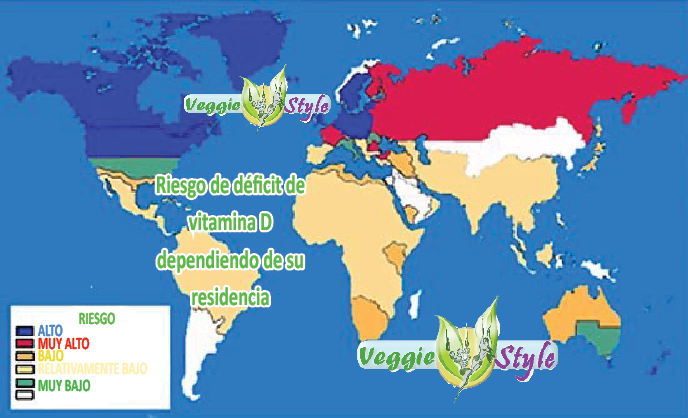
It depends a lot on where you live. There, closer to the equator, there are fewer vitamin D deficiencies, as the sun shines almost every day and reaches its most vertical point every midday for the best UVB exposure. The further north or south you go, the less strong the sunlight and the higher the percentage of vitamin D deficiencies in the population.
Does age matter?
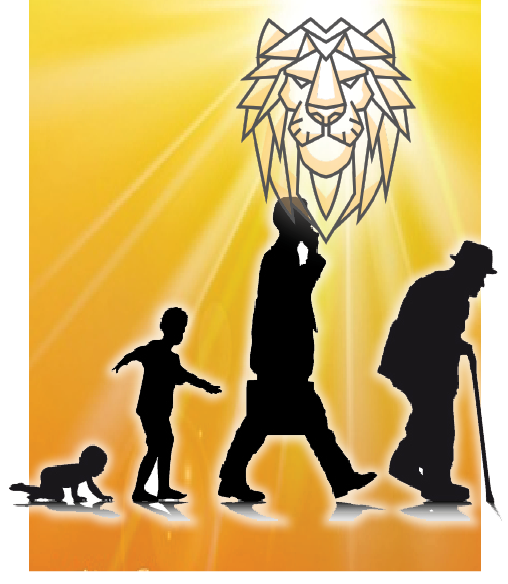
As we age, our skin is less able to produce vital vitamin D3 and it will be most important to take this vitamin D3 as a supplement. Another factor that influences our skin's ability to produce vitamin D3 when exposed to sunlight is our own sunscreen Melanin: the darker our skin is, the less effective our skin is at synthesising vitamin D3 when exposed to sunlight.
Do you need D3?
We recommend a visit to a doctor or laboratory to check our vitamin levels more sharply. Depending on the results, treatment with vitamin D supplements can be started. At low levels, you will start treatment with higher doses to increase and normalise levels. Once you get there, you just need to maintain your vitamin D at lower daily doses.
Deficiency according to residence
Whether you suffer from vitamin D deficiency or not depends very much on where you live. For example, the closer it is to the equator, the lower the risk of efficiencies it suffers. People living for example in Egypt simply do not suffer from this deficiency. And the further north or south you go, especially in winter when the sun is not strong enough, the higher the percentage of vitamin D deficiency in the population.
Not VEGAN?
Conventional vitamin D supplements are NOT VEGAN! It is made from lanolin extracted from sheep's wool.
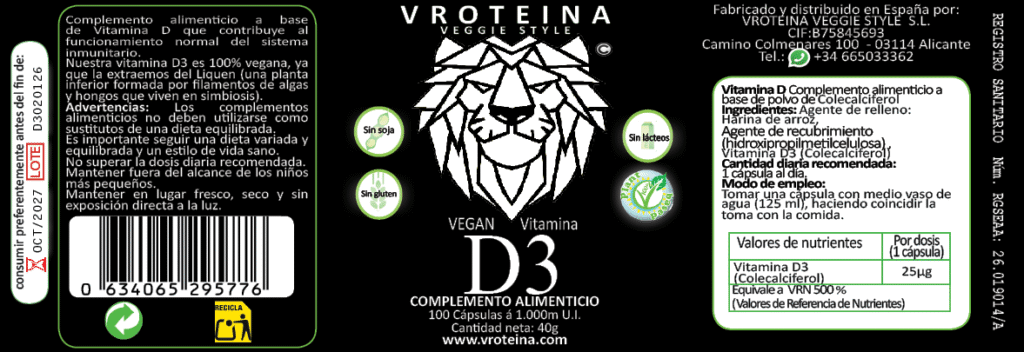
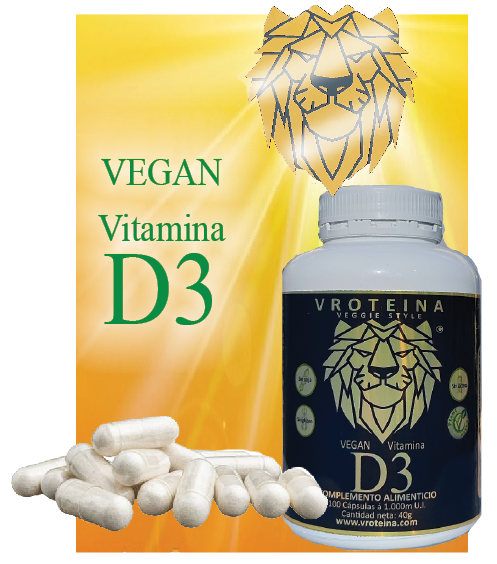
VEGGIE STYLES Vitamin D3 is VEGAN!
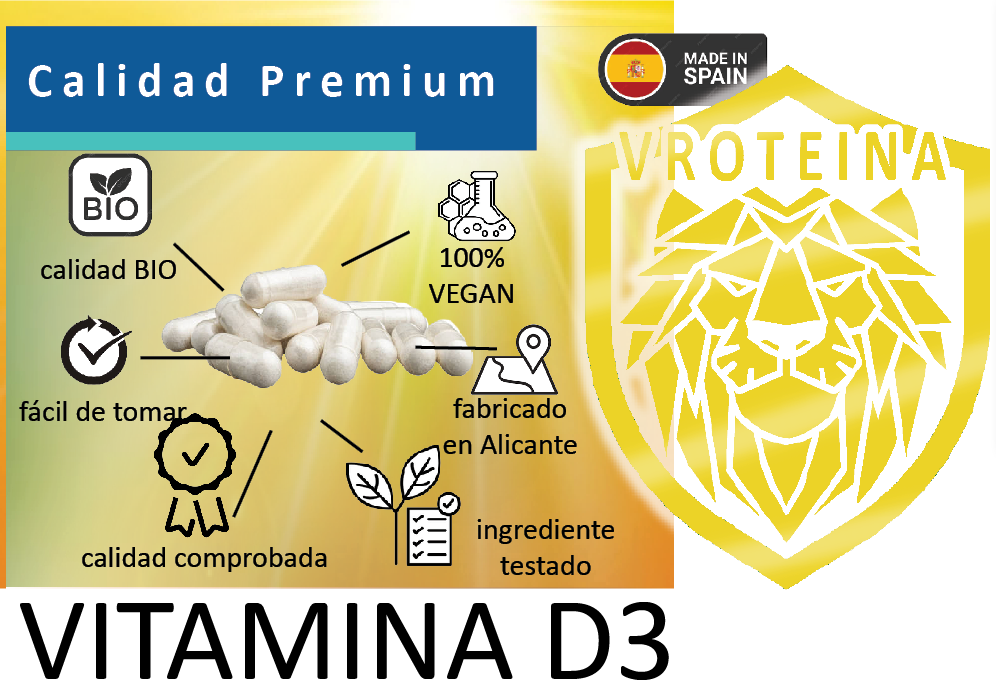
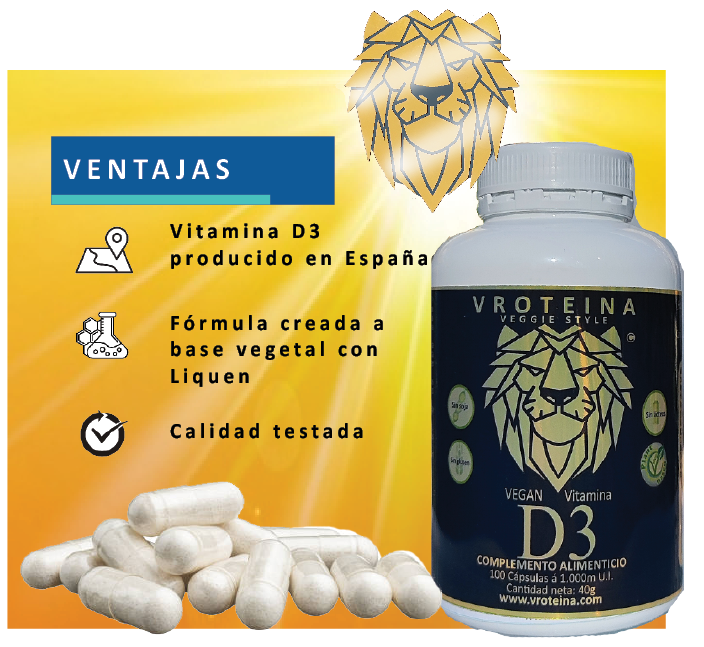
We use VEGAN vitamin D3 100% which is extracted from a fungus that grows on rocks and trees in England, whose oil has a high content of this vital vitamin.
Location matters!
It depends a lot on where you live. There, closer to the equator, there are fewer vitamin D deficiencies, as the sun shines almost every day and reaches its most vertical point every midday for the best UVB exposure. The further north or south you go, the less strong the sunlight and the higher the percentage of vitamin D deficiencies in the population.